Smartphone security has evolved rapidly over the past decade. From simple PIN codes to fingerprint scanners and face recognition, users are constantly looking for more convenient yet secure ways to protect their data. One technology that has consistently attracted curiosity is voice-based authentication. Many people still search for Voice Lock App 2016 – The Ultimate 2026 Guide because it represents the early rise of voice security and how it has matured today. In 2026, voice recognition is no longer just a novelty—it is a serious biometric option when used correctly. This guide explains how voice lock apps work, their real-world usefulness, and whether they are worth trusting in modern smartphones.

What Is a Voice Lock App?
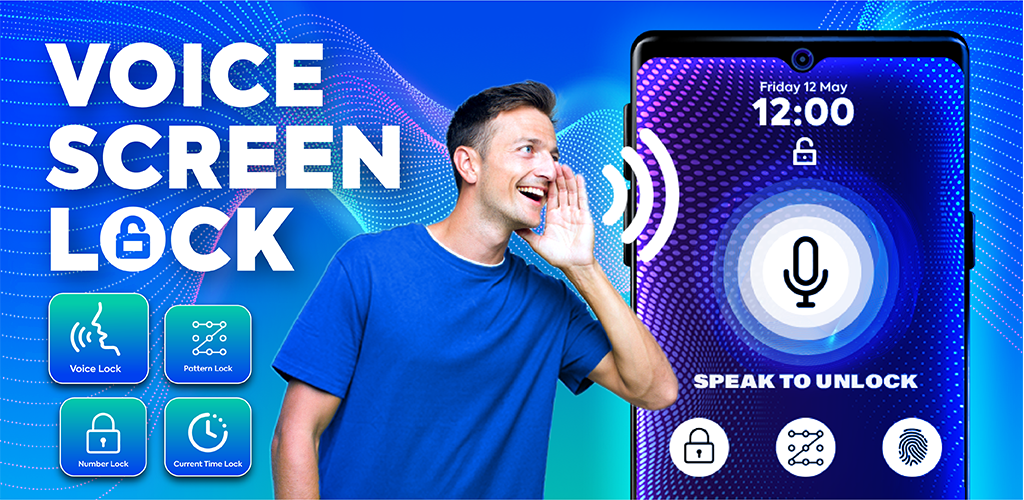
A voice lock app allows users to unlock their mobile device or specific apps using a registered voice pattern. Instead of typing a password, the user speaks a predefined phrase. The app compares the live voice with the stored voiceprint and grants access if it matches.
When people talk about Voice Lock App 2016 – The Ultimate 2026 Guide, they are usually referring to the earliest popular versions of voice-based security apps and how those concepts have improved over time.
How Voice Recognition Technology Works
Voice recognition systems analyze multiple factors such as pitch, tone, frequency, and speech rhythm. Modern algorithms use machine learning to detect subtle differences that are extremely difficult to copy accurately.
In 2016, voice lock technology was basic and often unreliable. By contrast, the systems discussed in Voice Lock App 2016 – The Ultimate 2026 Guide now rely on AI-driven models that adapt to changes in a user’s voice due to illness, aging, or environmental noise.
Benefits of Using a Voice Lock App
Voice lock apps offer several advantages for everyday users:
- Hands-free access – Useful when your hands are busy or dirty
- Personalized security – Voice patterns are unique
- Fast authentication – No need to type passwords
- Accessibility support – Helpful for users with physical limitations
These benefits explain why interest in Voice Lock App 2016 – The Ultimate 2026 Guide continues even today.
Limitations and Risks You Should Know
Despite improvements, voice lock apps are not perfect. Some key limitations include:
- Background noise can interfere with recognition
- Voice changes due to sickness may reduce accuracy
- High-quality voice recordings could pose a risk
- Not ideal as a standalone security method
Modern security experts recommend combining voice lock with another authentication method. This balanced approach is often highlighted in Voice Lock App 2016 – The Ultimate 2026 Guide discussions.
Voice Lock Apps vs Fingerprint & Face Lock
Compared to fingerprints and face unlock, voice locks are more situational. Fingerprints are faster, and face unlock is more consistent in good lighting. However, voice lock works well in low-light conditions and does not require physical contact.
In many modern devices, insights from Voice Lock App 2016 – The Ultimate 2026 Guide are used to build multi-layer biometric systems rather than relying on voice alone.
Are Voice Lock Apps Safe in 2026?
Yes—if used correctly. Reputable voice lock apps now encrypt voice data locally and avoid cloud storage. Security depends heavily on app quality, permissions, and update frequency.
The core lesson from Voice Lock App 2016 – The Ultimate 2026 Guide is that voice authentication should enhance security, not replace all other methods.
Best Practices for Using Voice Lock Apps
To stay secure:
- Use voice lock with PIN or fingerprint backup
- Avoid apps that request unnecessary permissions
- Update apps regularly
- Choose longer, natural voice phrases
- Test accuracy in different environments
These practices are commonly recommended in Voice Lock App 2016 – The Ultimate 2026 Guide–style security evaluations.
Future of Voice Lock Technology
Voice authentication is increasingly being integrated with banking apps, smart homes, and vehicles. By 2030, voice identity may become a key part of digital identity systems.
The evolution from early experiments to AI-powered models is clearly explained through the journey highlighted in Voice Lock App 2016 – The Ultimate 2026 Guide.
FAQs
Is voice lock better than a password?
Voice lock is more convenient but should be combined with a password for higher security, as explained in Voice Lock App 2016 – The Ultimate 2026 Guide.
Can someone unlock my phone using a recording?
Modern apps can detect synthetic or recorded voices, though no system is 100% foolproof.
Do voice lock apps work offline?
Most advanced apps work offline because voice data is stored locally.
Are voice lock apps free?
Many apps offer free versions with limited features and paid plans for advanced security.